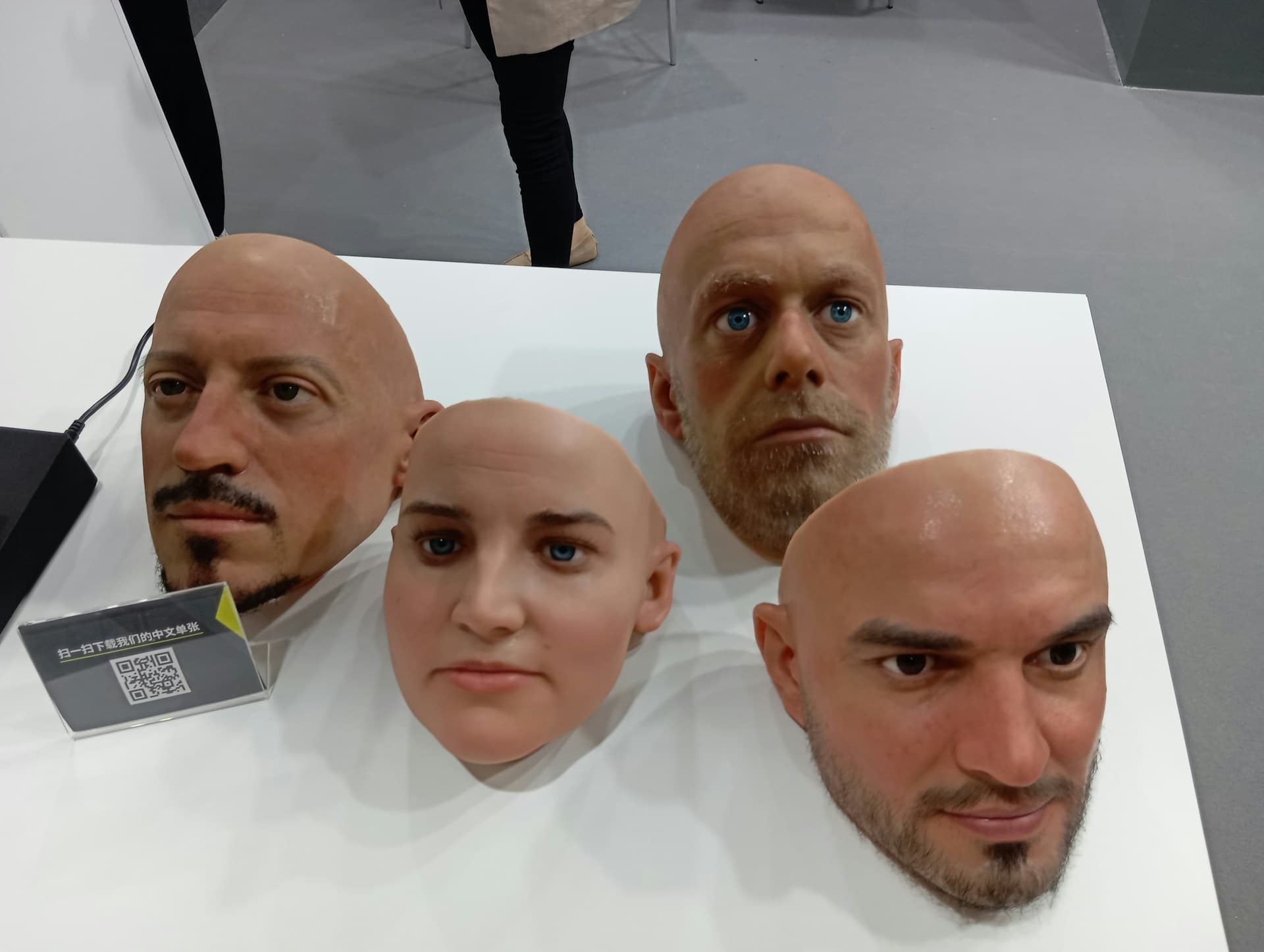
Introduction: When Celebrities Lose Control of Their Own Faces
Scroll through TikTok or YouTube Shorts today, and you might see Tom Cruise starring in a movie he never filmed, or Taylor Swift singing a song she never recorded. These aren’t leaks or parodies—they’re AI-generated celebrity clones, and they’re going viral at a frightening speed.
What started as harmless fun has now turned into a serious controversy shaking the entertainment industry. Celebrities are alarmed, fans are confused, and Hollywood is asking a terrifying question:
Who really owns a celebrity’s face and voice in the age of AI?
What Are AI Celebrity Clones?
AI celebrity clones are created using deepfake technology and voice synthesis models trained on publicly available footage, interviews, and audio clips.
With just a few minutes of source material, creators can now:
Generate realistic celebrity faces
Clone voices with near-perfect accuracy
Insert celebrities into fake movies, songs, or ads
The result? Videos that look shockingly real—often indistinguishable from authentic content.
Why Are These AI Videos Suddenly Everywhere?
The explosion happened for three reasons:
1️⃣ Social Media Algorithms Love Shock Value
Platforms like TikTok, Instagram Reels, and YouTube Shorts aggressively promote content that:
Feels unbelievable
Triggers comments (“Is this real?”)
Keeps users watching longer
AI celebrity clones check all the boxes.
2️⃣ AI Tools Are Now Public and Cheap
What once required Hollywood-level resources can now be done with:
Free or low-cost AI tools
Consumer GPUs
Open-source deepfake software
Anyone with basic editing skills can create a viral AI clip.
3️⃣ Audiences Are Addicted to “What If” Scenarios
Fans love seeing:
Actors in roles they never played
Singers covering impossible genres
Celebrities crossing universes
AI makes fantasy feel real.
Celebrities Are Fighting Back
Many stars are now speaking out—or taking legal action.
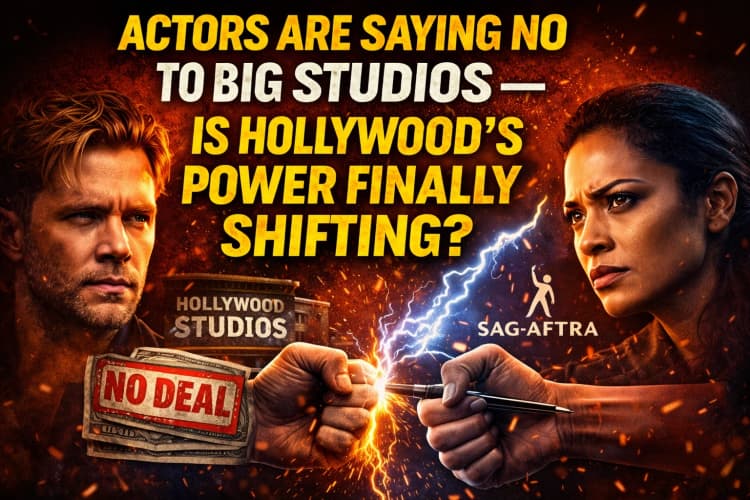
Actors’ unions have raised alarms about digital likeness theft
Musicians are demanding stronger copyright protections
Some celebrities are issuing DMCA takedowns for AI-generated content
The fear is simple:
If AI can replicate me perfectly, do I even exist as a performer anymore?
The Legal Grey Area: Who Owns a Digital Face?
This is where things get messy.
❌ Current Laws Are Not Ready
Most copyright laws protect:
Recorded performances
Original works
But AI-generated clones are often:
“Inspired by” public footage
Created without copying a specific scene
This loophole allows many deepfakes to exist legally—for now.
⚖️ New Laws Are Being Discussed
Several countries and states are considering:
Digital likeness rights
AI consent laws
Mandatory labeling of AI-generated content
But regulation is moving much slower than AI technology.
Fans Are Divided
The internet is split into two camps:
🎉 “This Is Amazing”
Some fans argue:
AI is just another creative tool
Parody and fan art should remain free
Entertainment should evolve
🚨 “This Is Dangerous”
Others worry about:
Misinformation
Fake celebrity scandals
Trust collapsing in digital media
Once you can’t trust your eyes or ears, everything changes.
The Dark Side: When AI Goes Too Far
The most dangerous aspect isn’t entertainment—it’s manipulation.
AI celebrity clones have already been used to:
Spread fake political messages
Create non-consensual content
Scam fans with fake endorsements
This turns a fun trend into a real-world threat.
How Hollywood Might Adapt
Despite the panic, some studios are experimenting instead of resisting.
🎬 Licensed AI Performances
Actors may soon:
License their digital likeness
Earn royalties from AI-generated roles
Appear in films without physically acting
🎤 AI-Assisted Music & Films
Some artists are using AI:
To preserve voices
To experiment creatively
To extend careers
The future may not be AI vs humans—but AI with permission.
What This Means for the Future of Entertainment
We’re standing at a turning point.
Either:
AI reshapes entertainment responsibly
ORTrust collapses and chaos follows
One thing is certain:
Entertainment will never be the same again.
The question isn’t whether AI celebrity clones will disappear.
It’s whether the industry can learn to control them before they control us.
Final Thoughts
AI cloning is thrilling, terrifying, and unstoppable—all at once.
Hollywood didn’t lose control overnight.
It simply woke up too late.
And as audiences, creators, and fans, we now have to decide:
👉 Do we want entertainment without limits—or without trust?