In the ever-evolving world of digital commerce, flexibility and speed matter more than ever. While platforms like Shopify dominate for out-of-the-box simplicity, they often fall short for teams who need full control over the backend. Enter Medusa—a powerful, headless, open-source e-commerce engine built for customization and scalability.
By 2025, Medusa isn’t just a Shopify alternative. It’s become a go-to toolkit for developers who want performance, extensibility, and ownership over their commerce stack.
🧠 What Is Medusa?
Medusa is a Node.js-based, headless e-commerce framework that offers complete flexibility over:
APIs (REST or GraphQL)
Admin dashboard
Plugins (payments, shipping, inventory, etc.)
Custom business logic
Unlike traditional platforms, Medusa gives you the core logic layer without tying you to a specific frontend, theme, or hosting.
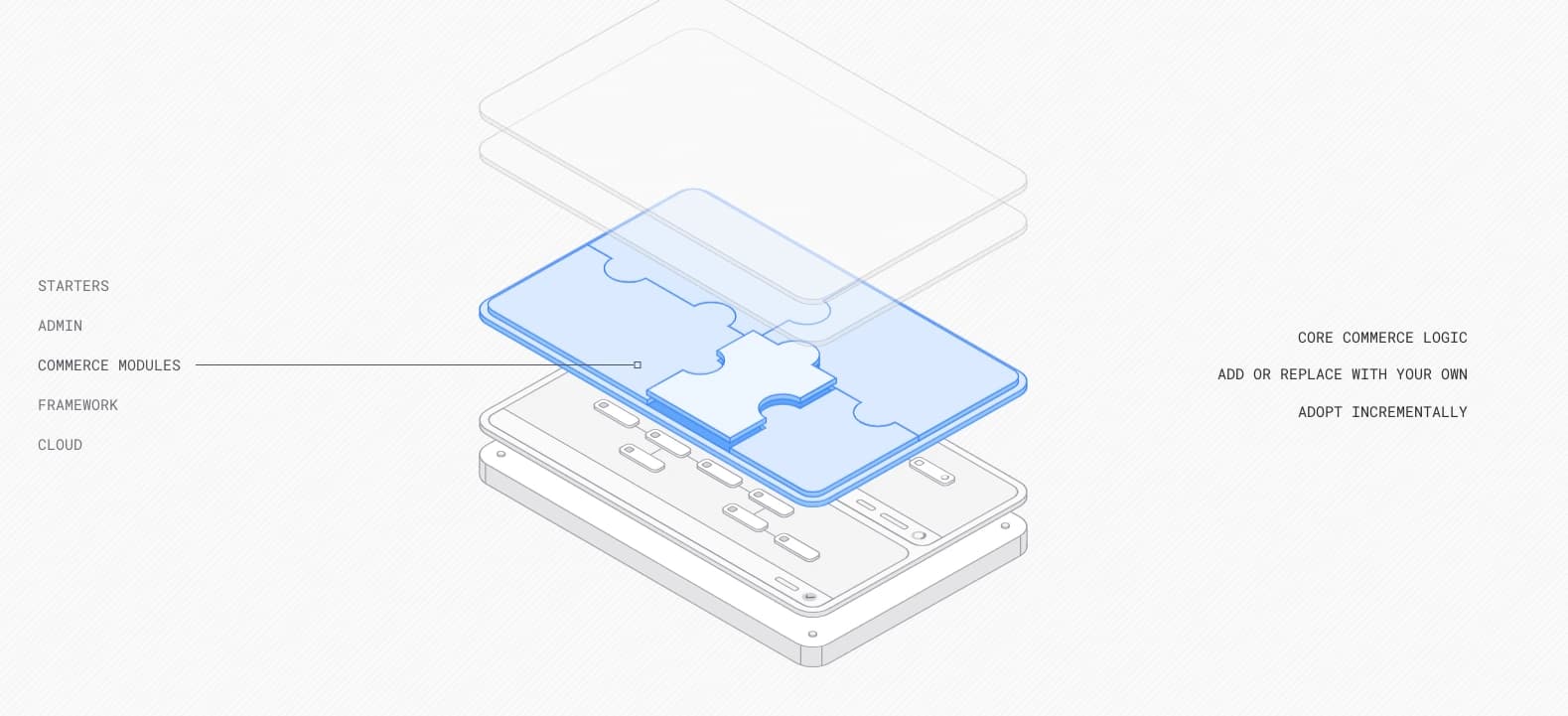
Medusa.js has a modular structure:
Entities – Represent database tables (e.g.,
Productmaps to theproducttable).Migrations – Modify the database (e.g., add new columns).
Repositories – Handle database queries.
Services – Business logic (e.g., updating a product).
API Routes – Define what data is accessible via API.
⚙️ Key Features of Medusa in 2025
🔄 1. Headless by Design
Medusa separates:
The commerce backend
The admin interface
The storefront (React, Next.js, Astro, etc.)
This means you can build any frontend while keeping backend logic centralized.
⚡ 2. Blazing Fast APIs
Medusa’s REST API and new GraphQL support (as of v2.0) deliver fast, scalable endpoints for:
Products
Orders
Customers
Carts
Discounts
Payments
Perfect for mobile apps, PWAs, and modern storefronts.
🧩 3. Plug-and-Play Architecture
Medusa ships with default integrations for:
Stripe, PayPal, Klarna
Shippo, Sendcloud, PostNord
PostgreSQL & Redis
But it’s designed so you can easily extend or override any part of the logic with custom plugins.
🛠️ 4. Admin Dashboard You Can Own
Unlike Shopify or BigCommerce, the admin panel is:
Open-source
Fully customizable (React + Tailwind)
Can be hosted anywhere (e.g., Vercel, Netlify)
🌍 5. Multi-Region, Multi-Currency Support
Perfect for global stores: Medusa handles localized pricing, region-based availability, and currency conversion logic natively.
🚀 Why Developers Love Medusa
🧩 Composable architecture
⚙️ Backend-first with Node.js/TypeScript
🚫 No vendor lock-in
💸 Free and open source (MIT license)
🛠️ Perfect for custom checkout flows, subscriptions, or marketplaces
🧪 Unit-tested, production-ready core
It feels like Next.js for e-commerce—clean, modern, and extensible.
🔧 Example Setup
Install CLI:
bashnpx create-medusa-app@latestChoose:
Starter template (Next.js Storefront + Admin)
Database (PostgreSQL recommended)
Hosting (can deploy to Vercel or DigitalOcean)
Customize:
Extend models (e.g., product bundles)
Add custom payment gateway
Build a storefront with Tailwind + Next.js
🌐 Who’s Using Medusa?
DTC brands who want Shopify flexibility with zero fees
Marketplaces needing complex seller logic
Agencies building fast, reusable commerce stacks
Startups who need to own their infrastructure
🛑 When Not to Use Medusa
You want a plug-and-play solution without coding
You don’t have backend experience (Node.js/TypeScript)
You’re selling only on marketplaces like Amazon/Etsy
But if you want full control with modern dev experience—Medusa is unmatched.
🔮 What’s Next in Medusa (2025 Roadmap Highlights)
AI-driven personalization API
Built-in subscriptions + memberships module
Improved GraphQL and webhook support
Medusa Cloud (hosted backend option)
No-code admin plugin builder